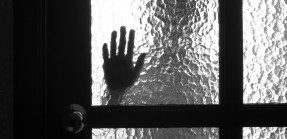












Alex Eylar renders Wait Until Dark’s harrowing chase scene in LEGO form.

In the 1967 thriller Wait Until Dark, Audrey Hepburn plays a blind woman unwittingly caught up in an international drug smuggling plot and forced to fight off Alan Arkin, who plays a deadly intruder in her apartment. In a situation that may seem hopeless, Hepburn’s character levels the playing field by breaking (almost) every light bulb in the flat, plunging Arkin’s character into the same darkness she lives with every day.

So maybe it’s just a scary movie, but for some reason I often think about it when reflecting upon accessible housing. Maybe it’s because today we can all be glad that people don’t have to go to such lengths to create spaces that can be used with equal ease, regardless of ability. In fact, an accessible home can mean a better life for all occupants.

One of the best new guides I have run across to achieve this goal is The Accessible Home: Designing for All Ages & Abilities, by Deborah Pierce. The structure of this handbook is smart. Pierce leads off with the necessary definitions and then introduces readers to the accessible home from one activity to the next (living and dining, dressing and sleeping, etc.). She then leads readers on tours of 25 real accessible homes, dealing firsthand with the practical solutions needed by very different individuals and families.

To some real estate professionals, accessible housing remains a niche. But for the forward-thinking pros in the know, this is the future of housing. As Pierce notes, healthy active adults have a one-in-four chance of becoming disabled for at least three months at some point in their lives. And while aging in place is becoming a priority for older home buyers, younger home owners still want to accommodate family and friends visiting their homes, regardless of mobility issues. Continue reading »

FrankFontanaDirtySecretsCoverInterior design on a budget? Don’t let your clients stress. Design expert Frank Fontana, a specialist in low-cost, high-style design, shares his techniques room-by-room and project-by-project in his new book Dirty Little Secrets of Design (Stewart, Tabori & Chang; November 2010).

In the book, Fontana analyzes several beautiful homes, dissects the individual design components of each room, and applies his “Look for Less” principle to help readers build their own look on a budget. The book also includes more than 40 DIY projects that are accessible and doable for readers of various skill levels, such as a multipurpose ottoman, a custom display case, unique artwork make from reclaimed items, and more. Plus, he gives advice on how to be a savvy shopper when looking for home decor items or furniture, leaving readers with practical decorating and fabricating techniques.

BUY THE BOOK

Here are five of Fontana’s Dirty Little Secrets of Design:

1. Work with one small space at a time. Advise your clients to create vignettes and groupings of seating furniture that provide additional conversation areas and help break up a room. Don’t just throw a comfy sofa in a room next to a hand-me-down coffee table and call it a day; it will feel empty.

2. There’s no need to fumigate. Try using low-VOC paint (VOCs are Volatile Organic Compounds, and paints low in them are better for the environment and less harsh on your nose.) For a cheaper, homegrown solution, drop a few squirts of vanilla extract into the paint can, and breathe easier. (Note: The fumes are only masked, not eliminated.) It won’t affect the color.

3. Exit courtesy. There is one piece of furniture that Fontana considers essential to an entryway — a chair. Continue reading »

Tagged with:
 

Looking for something?

Use the form below to search the site:

Still not finding what you're looking for? Drop a comment on a post or contact us so we can
take care of it!

Visit our friends!

A few highly recommended friends...